First Basivertebral Nerve Ablation Completed in Martinsburg
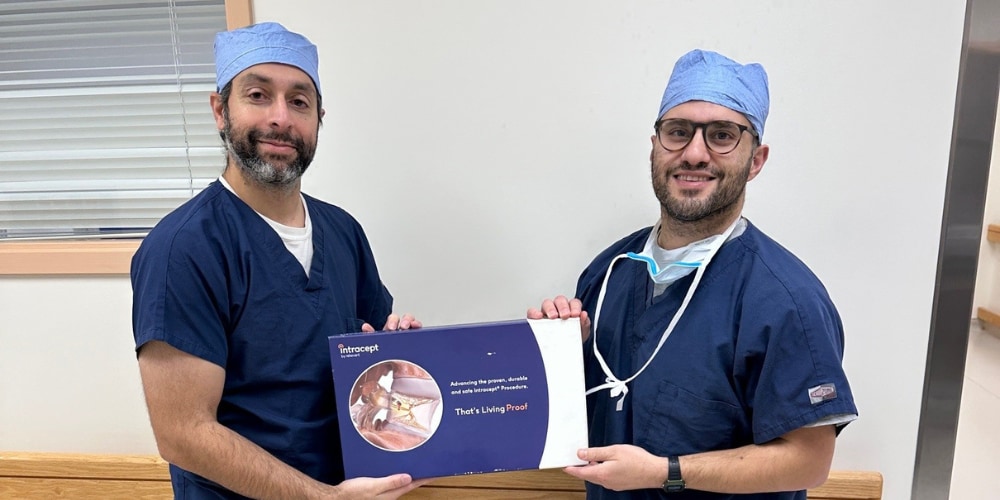
TriState Surgery Center in Martinsburg recently marked a major milestone with the completion of the first basivertebral nerve (BVN) ablation procedure performed in Martinsburg for vertebrogenic low back pain.
Vertebrogenic pain is a specific cause of chronic low back pain that originates from changes within the vertebrae of the spine rather than from discs, muscles, or nerve compression. Patients with vertebrogenic pain often experience:
- Pain with prolonged sitting
- Discomfort with bending or lifting
- Increased pain during physical activity
The successful first BVN ablation at Tristate Surgery Center reflects an important advancement for patients struggling with longstanding back pain. With proven durability, strong safety outcomes, and growing recognition in the pain management community, BVN ablation represents a promising option for individuals whose daily lives are limited by vertebrogenic pain.
The case was performed by Dr. Rehan Waheed, interventional physiatrist with Valley Health Interventional Pain Specialists. Reflecting on the importance of offering this advanced procedure locally.
“Bringing the procedure to our region means patients no longer have to live with chronic back pain that has stolen years of their lives. This treatment finally targets the true source of vertebrogenic pain, and seeing patients regain function is incredibly rewarding.”
— Dr. WaheedDr. Kovosh Dastan was present as an observer, having previously seen the patient in clinic and wanting to be there alongside his clinic patient during the procedure. Dr. Waheed completed the case at TriState Surgery Center with the support of a skilled surgical team, including his radiologic technologist Rebecca Stiefel.
Basivertebral nerve ablation is a minimally invasive, outpatient procedure that targets the basivertebral nerve, which carries pain signals from the vertebrae to the brain. By deactivating this nerve, the procedure interrupts those pain signals at their source.
The surrounding structure of the spine remains intact, and patients typically return home the same day. For appropriately selected patients, BVN ablation offers a treatment option that addresses vertebrogenic pain rather than focusing solely on symptom management.
MRI and other imaging studies typically show characteristic changes within the vertebral endplates. These findings help physicians identify the vertebrae as the primary source—or “pain generator”—responsible for chronic low back pain.
The successful completion of this first BVN ablation reflects growing access to specialized spine care in Martinsburg and highlights collaboration among physicians, technologists, and surgical teams focused on identifying and treating the underlying causes of chronic back pain.


